
What If Your Next Home Didn’t Come With a Mortgage?
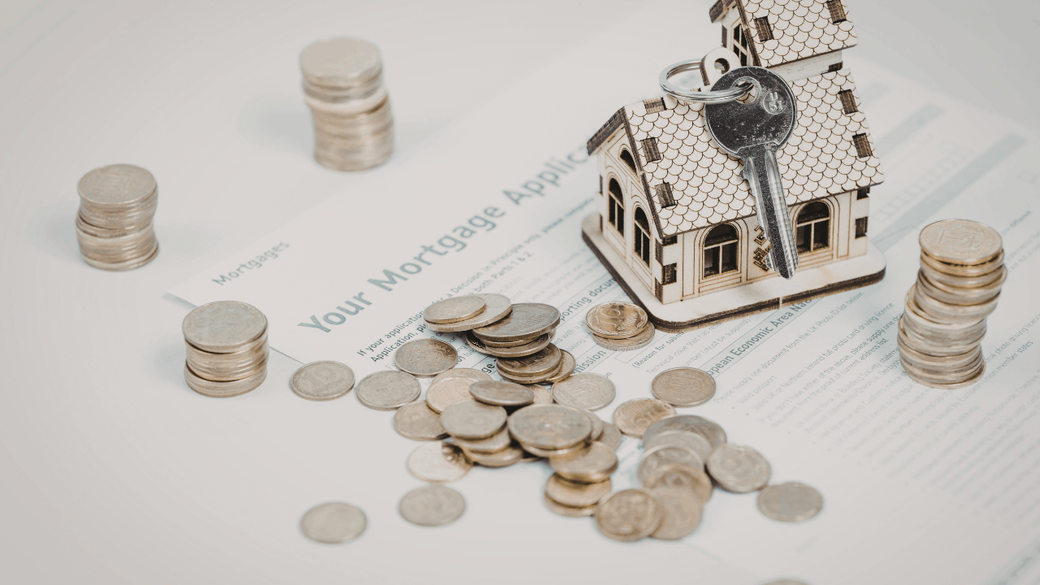
For most homeowners, buying a new home automatically means one thing:
Another monthly payment.
Another loan.
Another interest rate to watch.
Another long-term financial commitment.
But that assumption doesn’t always hold true anymore.
In today’s market, a growing number of buyers are purchasing homes without financing at all—and it’s not just investors or ultra-wealthy buyers.
According to the National Association of Realtors, nearly 30% of home purchases today are made with cash, a noticeable increase compared to pre-pandemic levels.
So what changed?
The answer comes down to something many homeowners underestimate:
Equity.
The Hidden Advantage Many Homeowners Already Have

If you’ve owned your home for several years, there’s a strong chance your property has increased in value—possibly more than expected.
That increase isn’t just theoretical.
It creates equity, which is the difference between:
- What your home is worth today
- What you still owe on your mortgage
When you sell, that equity turns into usable capital.
And in some cases, it’s enough to completely change how your next home is purchased.
Why Cash Purchases Are Becoming More Common
To understand the rise in all-cash purchases, it helps to look at what happened in the market over the last few years.
During the pandemic housing boom:
- Mortgage rates dropped to historic lows
- Inventory became extremely limited
- Buyer demand surged
The result?
Home values increased rapidly across many markets.
For homeowners, that meant one thing: significant equity growth.
Now, when those same homeowners sell, they often walk away with more buying power than they originally expected—sometimes enough to eliminate the need for a mortgage altogether.
What Owning a Home Without a Mortgage Actually Changes
The idea of buying a home in cash isn’t just about avoiding a loan—it’s about changing your financial structure.
Without a mortgage:
- There are no monthly principal and interest payments
- Interest costs disappear entirely
- Your budget becomes more flexible
For many homeowners, that opens the door to reallocating money toward:
- Investments
- Travel or lifestyle upgrades
- Retirement planning
- Future property purchases
It’s less about luxury—and more about financial control.
Why Sellers Prefer Cash Buyers

From a seller’s perspective, not all offers are equal.
Two offers might come in at similar prices, but one includes financing while the other is all cash.
In many cases, sellers lean toward the cash offer.
Why?
Because it removes uncertainty.
Financed deals depend on:
- Loan approval
- Appraisals
- Underwriting conditions
Any delay—or failure—can derail the transaction.
Cash eliminates those variables.
That’s why sellers often prioritize:
- Certainty of closing
- Speed of transaction
- Reduced risk
In some cases, they’ll even accept slightly less money in exchange for a smoother, more predictable deal.
Speed Becomes a Major Advantage

Traditional closings involving mortgages typically take 30–45 days, sometimes longer.
Cash transactions can move significantly faster because there’s no lender involved.
That speed matters—especially for sellers who:
- Need to relocate quickly
- Are managing multiple transactions
- Want to avoid extended timelines
A faster closing can be just as valuable as a higher price in the right situation.
Do Cash Buyers Actually Pay Less?
Here’s something many people don’t expect:
Cash buyers often purchase homes at a slight discount compared to financed buyers.
Why?
Because sellers are weighing more than just price.
They’re evaluating:
- Risk
- Timing
- Simplicity
A guaranteed, clean deal can outweigh a higher but uncertain offer.
Is Buying Your Next Home in Cash Realistic?
Not for everyone—but more often than people think.
Many homeowners underestimate how much equity they’ve built.
Depending on your situation, that equity can create options such as:
- Buying a smaller home outright (downsizing)
- Relocating to a more affordable area
- Significantly reducing your next mortgage
For some, it’s not about eliminating the mortgage entirely—but about regaining control over it.
Ways Homeowners Are Making It Work
There are a few common strategies homeowners use to transition into a cash purchase:
Selling First, Then Buying
This is the most straightforward approach. You sell your current home, access your equity, and use it toward your next purchase.
Downsizing
Moving into a smaller or more affordable home can free up enough equity to cover the full purchase price.
Relocating
Some homeowners take advantage of lower-cost markets, allowing their equity to stretch further.
Using Short-Term Financing (Bridge Loans)
For those who want to buy before selling, temporary financing can help bridge the gap until their current home sells.
Common Mistakes to Watch For
While equity creates opportunity, it’s important to approach it carefully.
Two common missteps include:
Overestimating Your Net Proceeds
Closing costs, agent commissions, and moving expenses all impact how much you actually walk away with.
Ignoring Transaction Costs
Buying and selling both come with fees that should be factored into your plan early.
Understanding your true numbers is key before making decisions.
Who Benefits Most From Buying in Cash?
Certain groups tend to benefit the most from this strategy:
- Downsizers looking to simplify expenses
- Move-up buyers wanting to reduce financing needs
- Retirees seeking predictable, fixed living costs
For these groups, removing a mortgage can significantly improve long-term financial stability.
Final Thought
For years, buying a home and taking on a mortgage went hand in hand.
But that’s no longer the only path.
Thanks to rising home values and accumulated equity, more homeowners are discovering they have options they didn’t realize existed.
Before assuming your next move requires another loan, it may be worth asking:
How much flexibility does your current home actually give you?
Because the answer could reshape your entire next step.
FAQ
1. What percentage of homebuyers are paying cash today?
Nearly 30% of home purchases are made with cash, according to the National Association of Realtors, which is significantly higher than historical averages.
2. How does home equity help you buy a house without a mortgage?
Equity is the difference between your home’s value and what you owe. When you sell, that equity becomes cash that can be used toward your next purchase—sometimes enough to buy outright.
3. Is buying a home with cash always the best financial decision?
Not necessarily. Some buyers prefer to keep liquidity and invest their cash elsewhere while using financing. The best option depends on your financial goals, risk tolerance, and long-term plans.
4. Can downsizing really eliminate a mortgage?
Yes. Many homeowners sell larger, higher-value homes and purchase smaller or more affordable properties, allowing them to avoid financing entirely.
5. How can I find out how much equity I have in my home?
You can estimate your equity by subtracting your remaining mortgage balance from your home’s current market value. A real estate professional can provide a more accurate valuation based on local data.
Categories
Recent Posts






7997 W. Sahara Ave. Suite 101, Vegas, NV, 89117, United States