
The Rise of Single Women Homeowners: A Shift Reshaping the Housing Market
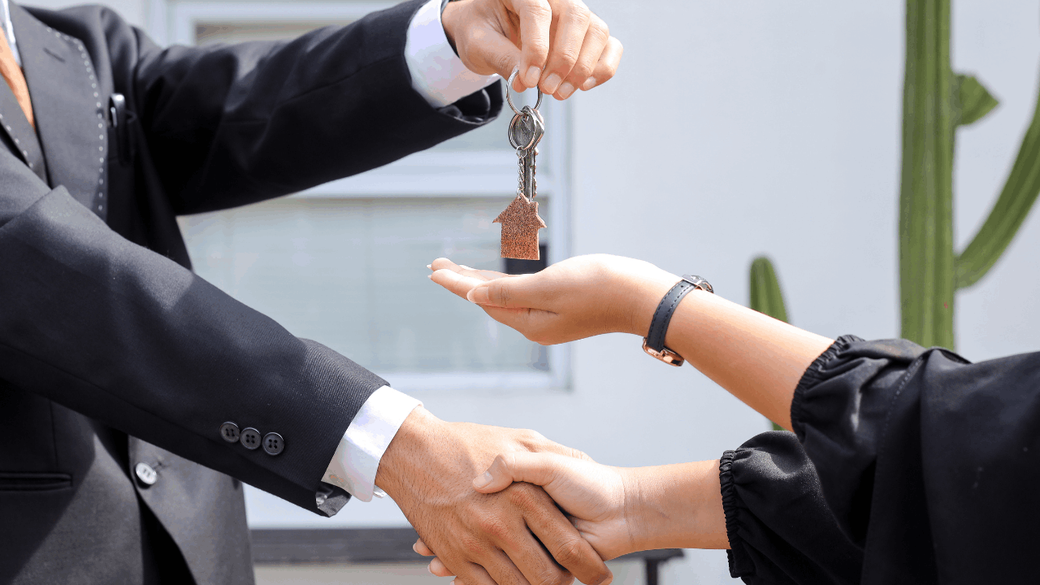
For years, the “typical” homebuyer looked the same—married, dual income, buying together.
That picture is changing fast.
Today, one of the most influential groups in real estate isn’t couples or investors. It’s single women purchasing homes on their own—and their impact on the market is only growing.
A Long-Term Shift, Not a Passing Trend
This isn’t a sudden surge—it’s been building steadily over time.
More women across different life stages are stepping into homeownership independently:
- Never married
- Divorced or separated
- Widowed
And here’s what makes this shift even more powerful: they’re not just buying—they’re staying.
That long-term ownership creates stability and reinforces their role as a major force in the housing market.
The Numbers Behind the Movement
The data tells a clear story:
- Over 20 million single women own homes, compared to about 14 million single men
- Homeownership rates for single women are slightly higher overall
- Many women hold their homes longer, building long-term equity
This isn’t a niche segment—it’s a core driver of housing demand.
What Sets Single Women Buyers Apart
Buying a home on a single income isn’t easy—especially in today’s market.
But that’s exactly what makes this group stand out.
Single women buyers often approach homeownership with:
- Long-term thinking
- Careful budgeting
- Strong financial discipline
Even though income disparities still exist, their strategy often bridges that gap.
They focus less on stretching for the maximum and more on building something sustainable.
Why Staying Power Matters
Where this trend becomes even more impactful is over time.
Single women homeowners tend to:
- Stay in their homes longer
- Pay down their mortgages consistently
- Build equity through appreciation
Over time, that consistency turns a purchase into a wealth-building strategy—not just a place to live.
What This Means for Buyers
If you’ve been thinking about buying on your own, this trend should shift your perspective.
It proves that:
- You don’t need a dual income to own a home
- Strategy matters more than timing
- Progress matters more than perfection
Many successful buyers focus on:
- What they can afford today
- Managing monthly costs comfortably
- Staying long enough to benefit from appreciation
The path isn’t about doing everything perfectly—it’s about starting.
What This Means for Sellers
This shift matters for sellers too.
Single women represent a growing segment of qualified buyers, which means your home should appeal to what they value most:
- Functional layouts
- Manageable costs
- Safety and comfort
- Long-term livability
Homes that feel practical, efficient, and easy to maintain tend to resonate more than oversized or overly complex properties.
Understanding your buyer isn’t optional—it’s part of positioning your home correctly in today’s market.
The Bigger Picture
The idea that homeownership requires a partner is quickly becoming outdated.
More individuals—especially women—are proving that it’s possible to:
- Buy independently
- Maintain ownership
- Build long-term financial security
This isn’t just a trend.
It’s a shift in how people define independence, stability, and success.
Homeownership is no longer about waiting for the “right situation.”
For many, it’s about creating that situation themselves.
Conclusion
Single women are no longer a secondary segment in real estate—they’re a driving force.
Their approach to buying—focused, disciplined, and long-term—offers a blueprint for modern homeownership.
If you’ve been waiting for the perfect moment or circumstances, this shift is a reminder:
You don’t have to wait.
You just need a plan.
FAQs
1. Why are more single women buying homes today?
Increased financial independence, career growth, and shifting life priorities have made homeownership a key part of long-term stability for many women.
2. Is it harder to buy a home on a single income?
It can be more challenging, but many buyers succeed by focusing on affordability, budgeting carefully, and choosing sustainable price points.
3. Can a single person qualify for a mortgage alone?
Yes. Mortgage approval is based on income, credit, and debt—not marital status.
4. What are the benefits of buying a home solo?
You have full control over decisions, build equity independently, and create long-term financial security on your own terms.
5. What should solo buyers prioritize?
Affordability, manageable monthly payments, emergency savings, and a home that supports long-term flexibility.
Categories
Recent Posts






7997 W. Sahara Ave. Suite 101, Vegas, NV, 89117, United States