
Beyond the Mortgage: What Homebuyers Need to Budget for in 2026
Buying a home in 2026 isn’t just about locking in a mortgage. It’s about budgeting for the full cost of ownership — from day one, not after closing.
Many buyers spend months chasing interest rates, estimating monthly payments, and getting pre-approved. But once the keys are handed over, a new reality sets in: the mortgage is only one part of what it really costs to own a home.
The difference between stressed-out homeowners and confident ones? Understanding the real cost of owning a home before you sign on the dotted line.
The Problem: Most Buyers Prepare for the Loan — Not the Lifestyle
A pre-approval tells you how much a lender is willing to loan — not how much you’ll comfortably afford once taxes, insurance, maintenance, and repairs are in play.
Buyers who focus only on their mortgage often find themselves stretched thin after closing. That’s because true financial readiness means planning for the costs after move-in, not just during the search.
The smarter approach? Start with your personal budget. What can you truly afford each month without sacrificing savings or lifestyle flexibility?
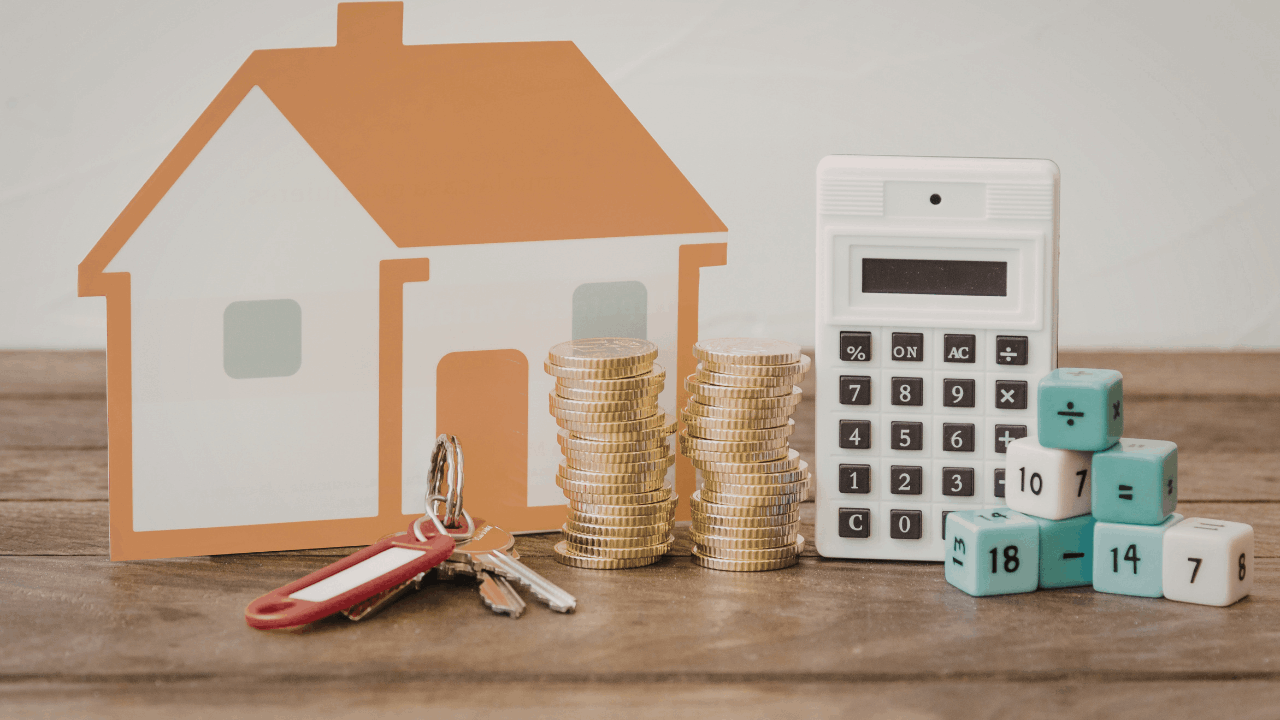
Down Payment = Milestone, Not the Finish Line
Saving for a down payment is a big win, but it’s not the end of the road.
It still takes most buyers several years to save up enough — especially with:
-
Wages lagging behind housing prices
-
Higher average down payment amounts
-
Everyday expenses competing with long-term goals
By the time buyers finally hit that number, it can feel like crossing the finish line. But the financial journey is just getting started.
What Really Adds Up After You Close
Once you own the home, your monthly housing costs expand quickly beyond the mortgage. Depending on your location and home type, you’ll likely face:
-
Property taxes (which may jump after the sale due to reassessment)
-
Homeowners insurance, which has increased sharply in recent years
-
Ongoing maintenance, estimated at 2%–4% of the home’s value annually
-
HOA dues or special assessments if applicable
Together, these non-mortgage costs can easily range from $1,400 to $3,750 per month — surprising even well-prepared buyers.

Why Planning for Ownership Costs Is Critical in 2026
In today’s market, ownership costs are less predictable than ever:
-
Insurance premiums in many regions are rising 8%–10% annually
-
Property tax reassessments can lead to significant hikes post-sale
-
Maintenance is unpredictable — but inevitable
Without preparation, these surprises can quickly overwhelm. With planning, they become manageable parts of your financial life.

How to Buy Smart in 2026: Not Just Approved — Prepared
The savviest buyers don’t aim for the biggest loan approval — they aim for peace of mind.
That means:
-
Keeping cash reserves for unexpected expenses
-
Choosing a monthly budget that leaves room for flexibility
-
Thinking through trade-offs (location vs. size, price vs. condition) before making an offer
Buying with this mindset leads to less stress and more confidence — even if rates change or the water heater gives out.
The Goal Isn’t Just Buying the House — It’s Living Comfortably in It
In 2026, financial stability doesn’t come from scoring the best rate — it comes from understanding the full cost of homeownership and planning for it upfront.
When your mortgage, taxes, insurance, and maintenance all fit into your life without stress, you don’t just own a home — you thrive in it.
FAQs: Homeownership Costs Beyond the Loan
1. What other costs come with owning a home?
Besides your mortgage, expect to pay for homeowners insurance, property taxes, ongoing maintenance, repairs, and possibly HOA fees.
2. How much should I set aside for repairs and upkeep?
Budget around 2%–4% of your home’s value per year for maintenance. Older homes or fixer-uppers may need even more.
3. Why do property taxes increase after I buy?
In many areas, local governments reassess the property’s value based on the purchase price, which can raise your annual tax bill.
4. Are insurance premiums really climbing that fast?
Yes. Due to increased construction costs, climate-related risks, and policy changes, many homeowners are seeing annual increases of 8%–10%.
5. How should first-time buyers in 2026 prepare?
Don’t stop at the mortgage. Build extra savings, learn how taxes and insurance work in your area, and work with real estate professionals who will help you plan beyond just the approval.
Categories
Recent Posts






7997 W. Sahara Ave. Suite 101, Vegas, NV, 89117, United States