
Pricing High Isn’t a Safety Net—It’s a Strategy Risk in 2026
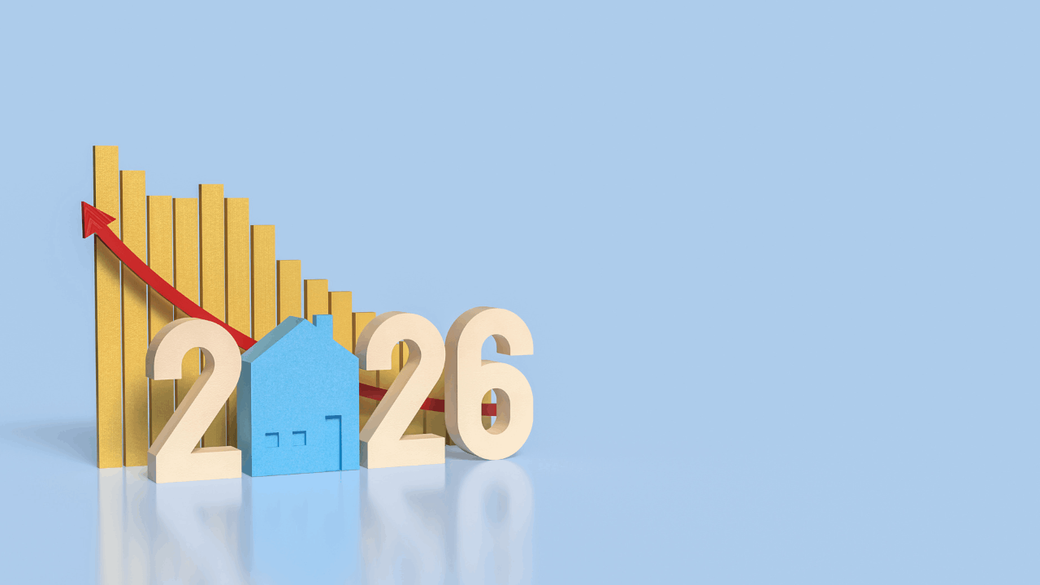
There’s a common belief among sellers heading into the market:
“If we price it higher, we leave room to negotiate.”
On the surface, that sounds smart.
But in today’s 2026 market, that approach often creates the opposite effect.
Instead of protecting your equity, overpricing can limit exposure, reduce buyer interest, and ultimately lead to a lower final sale price.
Why?
Because buyers today don’t guess—they analyze.
The Real Role of Your Listing Price
Many sellers treat pricing like a declaration of value.
In reality, it’s more like a positioning tool.
Your list price determines:
- Who sees your home online
- Whether buyers consider it worth touring
- How it compares to competing listings
If the price misses the mark—even slightly—it can push your home out of the most active buyer pools.
And once that happens, traffic slows down quickly.
Less traffic = fewer offers
Fewer offers = less negotiating power
The goal isn’t to “test the market.”
The goal is to enter the market correctly from day one.
Why Today’s Buyers React Differently
The biggest shift in 2026 isn’t just inventory—it’s buyer behavior.
Buyers now:
- Track how long homes sit on the market
- Notice price reductions immediately
- Compare listings in real time
- Review pricing history before even booking a showing
If a home lingers without activity, the assumption becomes:
“Something must be off.”
Even if the property is perfectly fine.
This change in behavior is why early pricing matters more than ever.
The Hidden Cost of Overpricing
When a home is priced too high at launch, it typically goes through a predictable cycle:
- Initial curiosity, but limited showings
- Reduced buyer engagement
- Price adjustments
- Increased buyer skepticism
- Lower offers
By the time the price aligns with the market, the listing has already lost momentum.
And momentum is one of the most valuable assets in a sale.
Homes that attract strong attention early tend to:
- Generate more offers
- Sell faster
- Maintain stronger negotiating leverage
Why “Waiting It Out” Rarely Works
Some sellers assume time will fix pricing.
But time often works against them.
The longer a home sits:
- The more visible its days on market become
- The more buyers question its value
- The more competitive listings take its place
In a fast-moving digital marketplace, perception forms quickly—and it’s hard to reverse.
Pricing Is Just One Piece of a Larger Strategy
Another common misconception is that price alone determines the outcome.
But pricing works alongside:
- Presentation (how the home shows)
- Marketing (how widely it’s seen)
- Timing (when it hits the market)
- Competition (what else is available)
When all of these align, pricing becomes a powerful lever.
When they don’t, even a “correct” price can underperform.
Why Yesterday’s Sales Don’t Define Today’s Value
It’s natural for sellers to look at past sales for guidance.
But relying too heavily on older comparables can lead to mispricing.
Markets shift based on:
- Current inventory levels
- Buyer demand
- Interest rate changes
- Seasonal trends
A home that sold quickly last year doesn’t guarantee the same outcome today.
Your home is competing against today’s listings—not yesterday’s sales.
Strategic Pricing Approaches That Work
Instead of focusing on the highest possible number, sellers are shifting toward intentional pricing strategies.
Competitive Positioning
Pricing directly in line with current market conditions to attract consistent, qualified buyers.
Attention-Driven Pricing
Positioning slightly below comparable listings to generate stronger initial interest and potential bidding activity.
Flexible Pricing
Starting with a higher price—but with a clear plan for adjustments based on early feedback and activity.
Each approach depends on:
- Seller goals
- Timeline
- Market conditions
- Property uniqueness
The key is having a strategy—not just a number.
The Strongest Offer Isn’t Always the Highest
Price is important—but it’s not the only factor that determines a successful sale.
Sellers often choose offers based on:
- Reliability
- Speed
- Simplicity
For example:
- A cash offer may close faster
- A buyer with fewer contingencies may reduce risk
- A shorter timeline may align better with a seller’s move
Sometimes, the best deal isn’t the biggest—it’s the one most likely to close smoothly.
Final Perspective for 2026 Sellers
The market today isn’t rewarding aggressive pricing.
It’s rewarding strategic positioning.
Homes that launch correctly tend to:
- Attract stronger early interest
- Maintain momentum
- Achieve better overall outcomes
So instead of asking:
“How high can we price it?”
A better question is:
“How do we position this home to stand out immediately?”
That shift in thinking can make a significant difference in both timing and final results.
FAQ
1. Why does overpricing a home lead to lower offers?
Overpricing reduces initial buyer interest. When fewer buyers view the home, there’s less competition, which often leads to lower offers and price reductions later.
2. How do I know if my home is priced correctly?
A well-priced home typically generates strong interest within the first couple of weeks, including showings, inquiries, and potential offers. Low activity early on can be a sign the price needs adjustment.
3. Is it better to price high and negotiate down?
In today’s market, this strategy often backfires. Buyers are more informed and may avoid overpriced listings altogether, reducing your chances of receiving strong offers.
4. What factors should be considered when pricing a home?
Key factors include current competition, recent comparable sales, buyer demand, property condition, and local market trends.
5. Can pricing lower actually result in a higher sale price?
Yes. Strategic pricing can create more buyer interest and competition, which may lead to multiple offers and a higher final sale price.
Categories
Recent Posts








7997 W. Sahara Ave. Suite 101, Vegas, NV, 89117, United States