
Rent It or Sell It? Making the Smart Move With Your Home

Deciding what to do with your current home can feel overwhelming. Should you cash out and sell? Or turn it into a rental and generate monthly income? The answer isn’t always black and white—it’s a mix of personal goals, market timing, and long-term strategy. Let’s explore both sides so you can choose the path that’s right for you.
Why Many Homeowners Lean Toward Renting

Betting on Property Growth
Real estate markets don’t sit still. If your neighborhood is on the rise, renting allows you to ride the appreciation wave while collecting rental income in the meantime.
Sentimental Value
Sometimes, it's more than just a house. If your property holds special memories, renting allows you to maintain ownership without saying goodbye forever.
Building Long-Term Wealth
Turning your home into a rental means someone else pays down your mortgage while the home potentially grows in value. It’s a strategy that’s helped many build a solid investment portfolio over time.
Advantages of Turning Your Home Into a Rental

Passive Monthly Income
A well-priced rental can cover your mortgage and still provide monthly profits—turning your home into a steady income stream.
Continued Equity Growth
Even when you’re not living in the home, the property’s value may climb. That appreciation builds your net worth behind the scenes.
Tax Deductions
Rental properties open up deductions you don’t get as a homeowner, like write-offs for mortgage interest, repairs, and property management costs.
Option to Return Later
Not quite ready to cut ties completely? Renting lets you keep the door open for future use—whether as a primary home or vacation spot.
Challenges to Be Aware Of

The Risk of Problem Tenants
While many renters are great, it only takes one careless tenant to cause damage or disruption. Careful screening is essential.
Active Management Required
Unless you hire help, you’ll be the one handling maintenance calls, rent collection, and tenant turnover. It's like managing a small business.
Periods Without Rent
There may be months when your home sits vacant, especially in off-seasons or slower markets. Plan for the occasional gap in income.
Regulatory Responsibilities
Landlords must follow strict local laws and regulations. From security deposits to eviction procedures, the paperwork can’t be ignored.
Comparing the Financial Picture: Rent vs. Sell

Crunching the Numbers
Start with the basics: Will rental income cover your mortgage, insurance, taxes, and upkeep? If so, it may be a viable income stream.
Unlocking Home Equity
Selling frees up cash that can be used to buy another property, invest elsewhere, or fund personal goals. Ask yourself where your equity will work hardest.
Best Time to Sell?
If buyer demand is high and your home is likely to fetch top dollar, selling could deliver a big payout—with no landlord headaches to follow.
Key Considerations Before Becoming a Landlord

Is Your Location Rent-Friendly?
Homes near public transit, universities, or major employers are more likely to attract stable tenants. If your area isn’t renter-friendly, vacancy could be a problem.
Do the Numbers Add Up?
If your mortgage and expenses outweigh potential rental income, renting might lead to a loss rather than a gain.
Know the Rules
Landlord-tenant laws vary by state. Learn your legal obligations before you list your property for rent.
Property Readiness
Your home should be clean, functional, and safe. The better the condition, the more rent you can reasonably charge.
Getting Your Home Ready to Rent
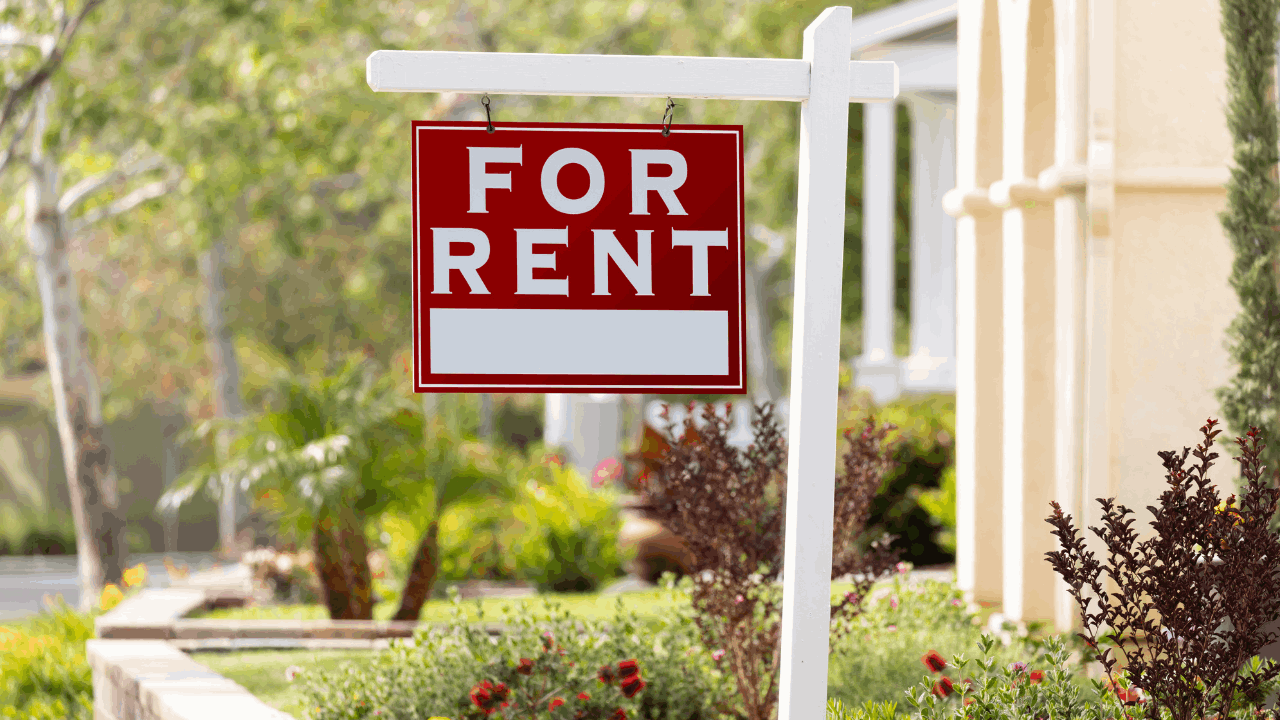
Handle Repairs First
Address leaks, update outdated fixtures, and give the place a deep clean. A well-maintained property attracts better-quality renters.
Set a Competitive Rent Price
Use comparable listings to determine a rent that aligns with local demand while covering your expenses.
Marketing and Managing Your Rental

Where to List
Popular platforms like Zillow, Craigslist, and Facebook Marketplace are great places to start. Professional photos and clear descriptions make your listing stand out.
Hire or DIY?
If you want to stay hands-off, property managers can handle everything from showings to maintenance. Just know they’ll take 8–12% of the rent.
Should You Use a Property Manager?

Pros of Hiring One
They bring experience, vendor connections, and legal know-how. If you’re managing from a distance or have a busy schedule, they’re worth considering.
The Trade-Off
Management fees reduce your net income. Make sure it still makes financial sense after their cut.
Long-Term Success Tips for Rental Property Owners
-
Screen tenants thoroughly – Credit checks and reference calls matter.
-
Stay on top of maintenance – Small issues snowball if ignored.
-
Review rent annually – Stay in sync with market changes to maximize returns.
Final Thoughts
Deciding to rent or sell your home isn’t just about numbers—it’s about goals, lifestyle, and your tolerance for responsibility. For some, renting offers a chance to build wealth passively. For others, selling provides liquidity and simplicity. Evaluate your options carefully, and choose what aligns with your future.
FAQs
1. Can I rent out my property with a mortgage on it?
Yes, but check your loan agreement. Some lenders require you to live in the home for a period before renting it out.
2. What’s the right rent amount to charge?
Study similar listings nearby and calculate your carrying costs. Price competitively to reduce vacancy time.
3. Do I need special insurance?
Yes—landlord insurance is different from standard homeowners insurance and covers rental-specific risks.
4. What if my tenant stops paying?
You’ll need to follow your state’s legal eviction process. This is where a property manager or attorney is helpful.
5. Will renting make me more money than selling?
That depends on your market, property value, and long-term goals. Renting builds equity and income; selling gives you fast cash and fewer responsibilities.
Categories
Recent Posts










7997 W. Sahara Ave. Suite 101, Vegas, NV, 89117, United States